
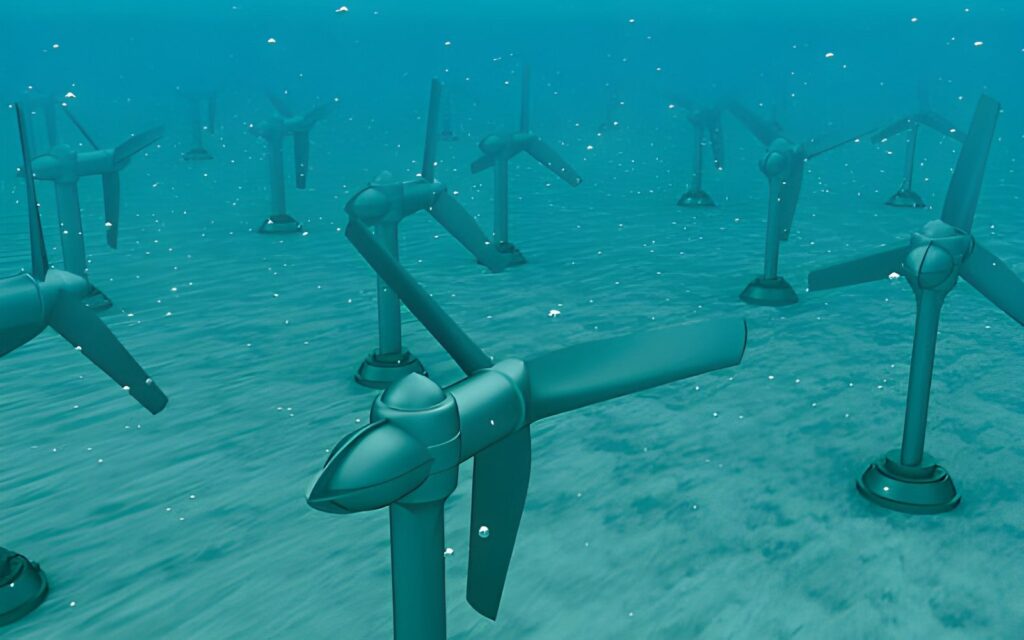
Electrical power system design and energy strategy support were provided for an innovative, patented wave energy technology under development by an Australia-based company. The project formed part of the technology’s progression from concept development toward commercial readiness.
The scope focused on improving the overall system architecture through electrification of the power-take-off (PTO) system, development of a robust electrical design, and assessment of energy storage and grid interface requirements. The objective was to enhance controllability, performance, and scalability while supporting future deployment and grid
integration.
The work addressed the electrical value chain from offshore energy capture through power conversion and storage to onshore grid interface considerations for a commercially-ready wave energy system.
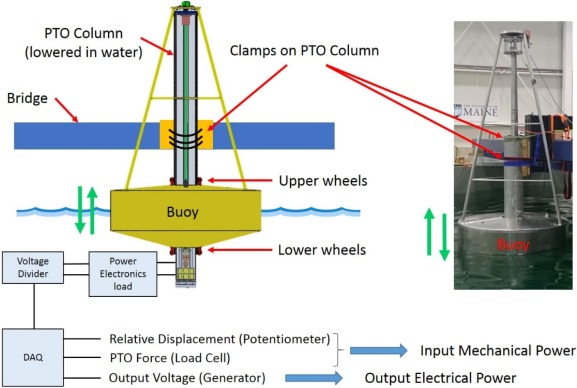
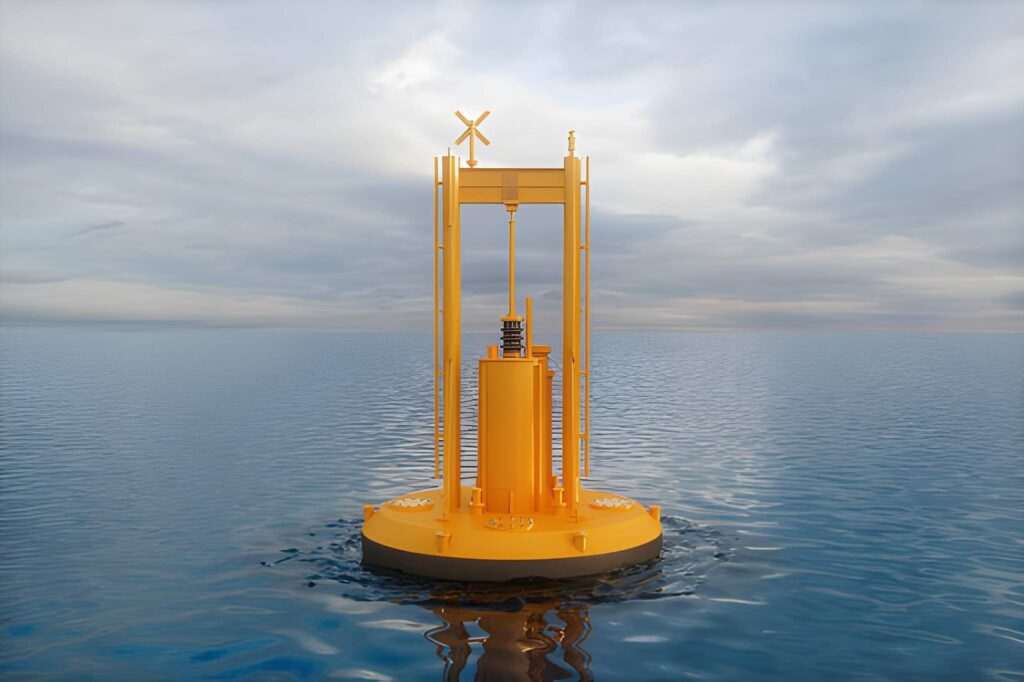
A core element of the project was the improvement of the wave energy system through electrification of the power-take-off (PTO) system. This included enhancement of the associated rotary translation mechanism, which converts the buoy’s linear motion into controlled rotary motion suitable for electrical generation.
The transition from a predominantly mechanical configuration to an electrically driven architecture enabled improved system control, greater operational flexibility, and a clearer pathway to grid-connected operation. Electrification of the PTO also supported more effective performance optimization and reduced dependency on complex mechanical interfaces.
Key activities included:
• Definition of the overall electrical system architecture for the wave energy converter designed to support future scalable deployment
• Electrification of the PTO system and optimisation of the rotary translation mechanism
• Design of power conversion arrangements suitable for variable and intermittent energy input
• Evaluation of electrical topologies to support efficient energy capture and control
• Alignment of electrical design with operational, control, and performance objectives
This system-level approach ensured the electrical design was technically robust while remaining adaptable for future development phases.
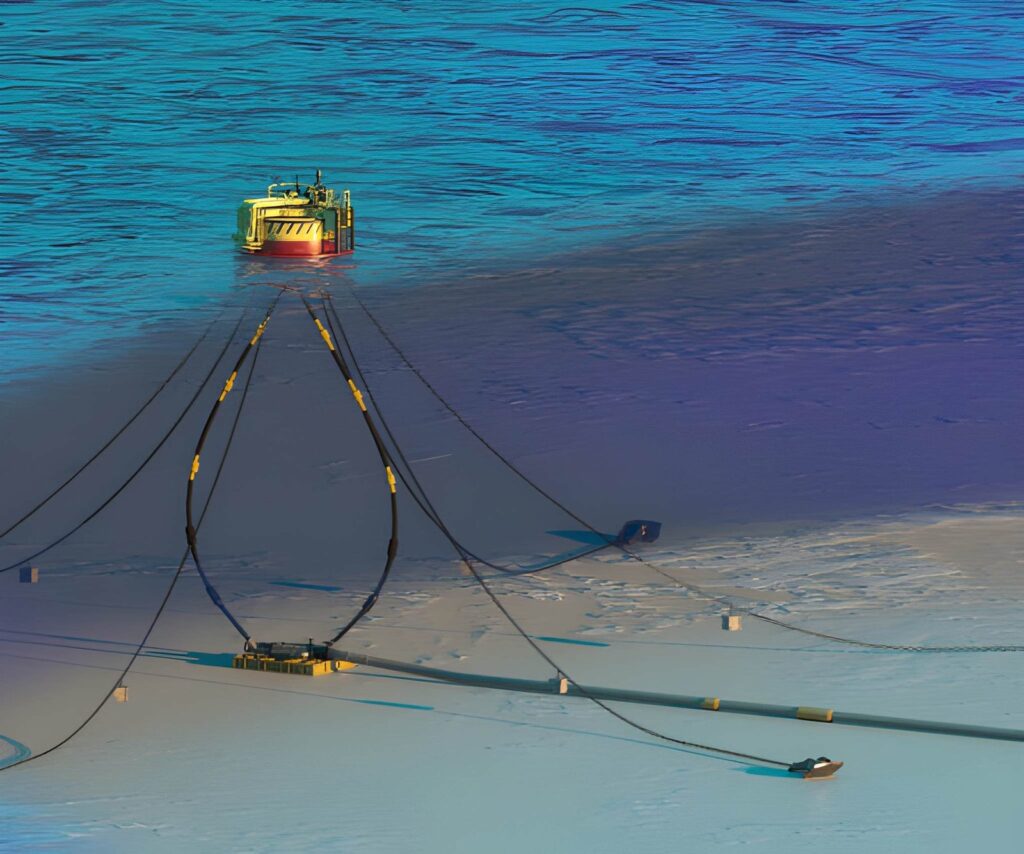
Energy storage was assessed as a fundamental component of the system design to manage the inherent variability of wave energy generation. The work focused on defining storage configurations that could improve power quality, smooth output, and enhance system stability.
Scope included:
• System-level design of energy storage integration within the electrical architecture
• Assessment of storage technologies to support power smoothing and operational resilience
• Development of grid interface concepts suitable for future onshore connection
• Consideration of grid compliance and power quality requirements
These activities ensured that the proposed electrical system could operate reliably as a grid compatible system and support future scale-up.
Alongside the technical design work, techno-economic assessments were undertaken to inform development strategy and commercial decision-making. The analysis focused on understanding the cost and performance implications of the electrical, power conversion, and storage systems.
This included:
• Cost analysis of key electrical and power conversion components
• Levelised Cost of Energy (LCOE) assessment to evaluate commercial competitiveness
• Identification of cost, performance, and design trade-offs
• Input into development decisions aimed at improving economic viability
The techno-economic work supported a balanced approach between technical innovation and commercial practicality for a future-deployable wave energy design.
The project established a robust electrical and energy strategy foundation for the wave energy technology. By electrifying the PTO system, integrating energy storage, and addressing grid interface considerations, the work supported the transition of the technology toward a more controllable, scalable, and commercially viable solution.
The outcomes contributed to improved system performance, clearer pathways to grid integration, and enhanced readiness for future demonstration and deployment of a commercially ready renewable system.
Anonymous
Electrical Power System & Energy Strategy Advisory
Mar 2021 - Oct 2021
Project details have been anonymised and summarised to respect client, contractor, and commercial confidentiality obligations.