

SAEK provided energy strategy and electrical advisory services to a commercial hotel operating with grid supply supported by on-site diesel generators.
The engagement focused on optimising energy reliability, reducing operating costs, and developing a phased hybrid energy roadmap. Challenges included frequent grid interruptions, high fuel consumption, and maintaining guest comfort across critical systems such as HVAC, lifts, lighting, and kitchens.

SAEK conducted a detailed technical assessment, including:
• Load profiling: Day/night, seasonal, and peak demand analysis across critical and non critical loads
• Generator performance review: Runtime, efficiency, and dispatch sequencing evaluation
• Voltage stability & motor starting analysis: Ensuring HVAC, lifts, and kitchen equipment operated reliably during transitions
• Protection coordination & distribution assessment: Review of breakers, relays, and system coordination to reduce operational risk
This baseline analysis identified opportunities to optimise generator use, improve power quality, and reduce operational inefficiencies.
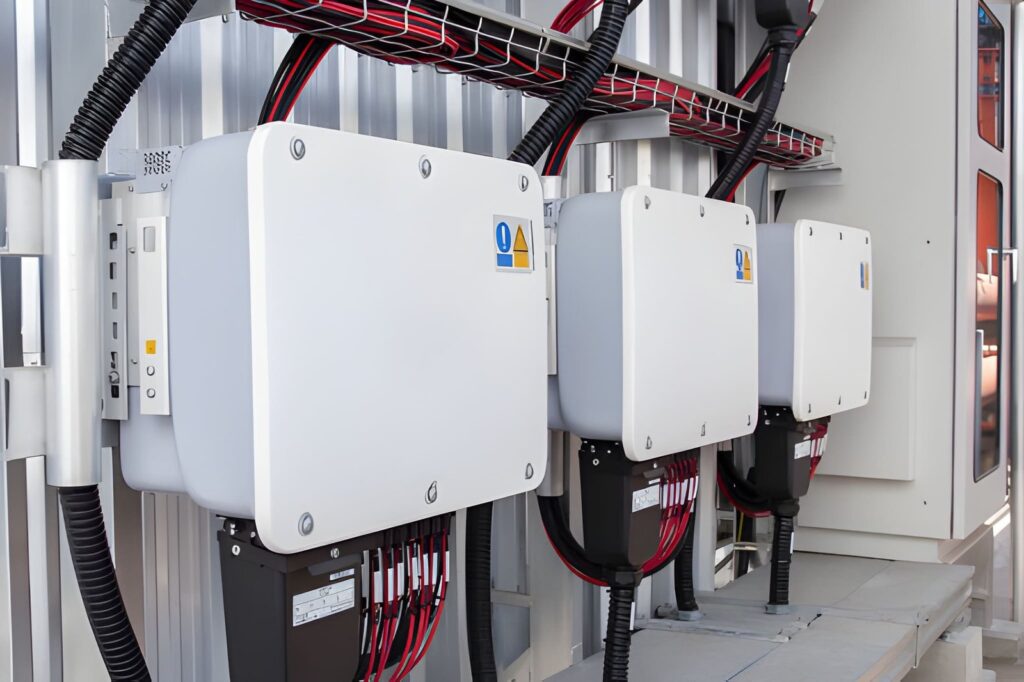
Based on the system assessment, SAEK developed a phased hybrid integration strategy:
• Solar PV integration: Sizing and placement aligned with daytime hotel load profile
• Battery storage advisory: For peak shaving, backup support, and seamless grid-to generator transitions
• Generator dispatch optimisation: Sequencing, runtime reduction, and synchronisation recommendations
• Operational resilience improvements: Voltage stability, load prioritisation, and control strategy adjustments
• Phased implementation roadmap: Prioritising low-cost interventions before larger capital upgrades
This approach maintained reliability and guest comfort while gradually reducing diesel dependency.
To support strategic decision-making, SAEK provided:
• Diesel consumption optimisation scenarios
• Lifecycle cost analysis and operational expenditure modelling
• Sensitivity analysis for fuel price volatility
• Capital vs operational expenditure assessment
• Targeted Levelised Cost of Energy (LCOE) benchmarking for hybrid system integration
These analyses gave management a clear view of expected savings, system performance, and investment priorities.
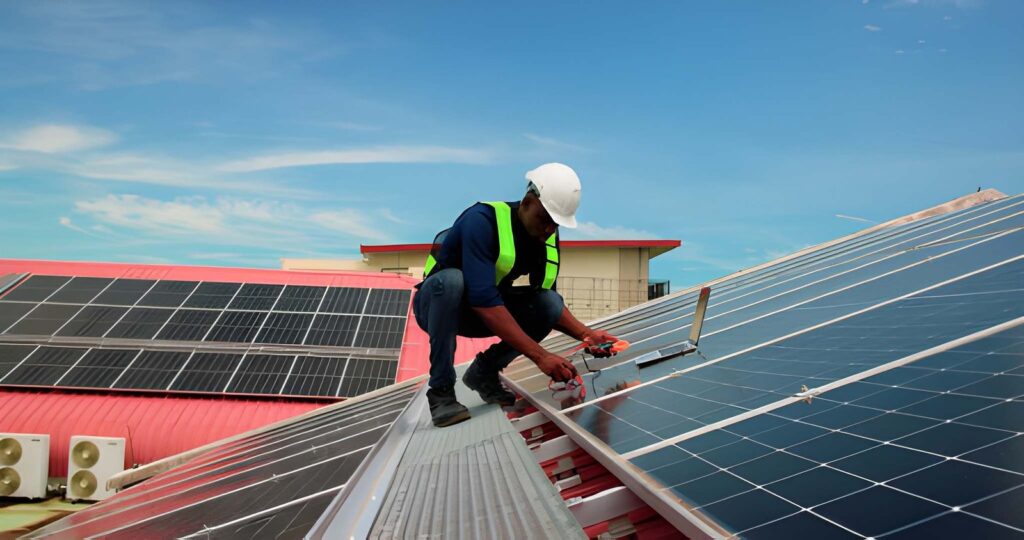
The engagement delivered:
• A technically robust hybrid energy roadmap
• Reduced projected diesel consumption and energy costs
• Improved power quality, system stability, and operational reliability
• Defined phased implementation strategy with clear ROI
• Advisory documentation suitable for future expansion and renewable integration
Anonymous
Hybrid & Renewable Power Systems Advisory
Mar 2025 - Apr 2025
Project details have been anonymised and summarised to respect client, contractor, and commercial confidentiality obligations.