In many emerging and developing power markets, energy supply is not derived from a single source.
Instead, facilities rely on a combination of:
• grid electricity
• diesel generators
• increasingly, solar and battery systems
Each option has distinct advantages and limitations.
Understanding how they interact is critical to designing effective energy solutions.
The Reality of Power Supply
Grid power is often assumed to be the primary source.
However, in practice:
• supply may be inconsistent
• outages may be frequent
• voltage stability may be poor
Diesel generators are therefore widely used to provide reliability.
At the same time, solar energy is becoming increasingly attractive due to its cost advantages.
Cost vs Reliability Trade-Off
Each energy source has a different profile:
Grid
• Lower cost per kWh
• Unreliable in many locations
Diesel
• Highly reliable
• Expensive to operate
• Subject to fuel price volatility
Solar
• Low operating cost
• Intermittent generation
• Requires integration with other sources
No single source provides both low cost and high reliability.
Why Single-Solution Approaches Fail
Relying solely on one energy source often leads to inefficiencies:
• Grid-only systems suffer from outages
• Diesel-only systems have high operating costs
• Solar-only systems cannot meet demand at all times
This is why hybrid configurations are increasingly adopted.
The Role of Hybrid Systems
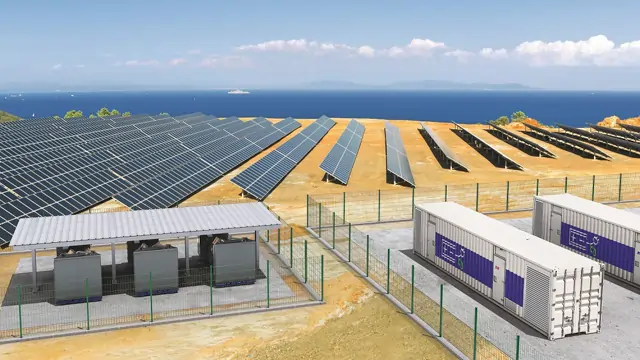
A well-designed hybrid system combines:
• grid supply (when available)
• solar generation (to reduce cost)
• diesel backup (for reliability)
• battery storage (to optimise performance)
The objective is not to eliminate one source — but to balance them effectively.
Engineering Considerations
Effective hybrid design must consider:
• load profile characteristics
• outage frequency and duration
• fuel cost and logistics
• solar resource availability
• system control strategy
Poor integration can result in systems that are technically complex but operationally inefficient.
Conclusion
The question is not whether grid, diesel, or solar is better.
The real question is:
How should they be combined to achieve optimal performance?
The answer depends on location, load behaviour, and operational requirements.
Effective energy strategy requires a balanced, engineering-led approach — not a one-size-fits-all solution.